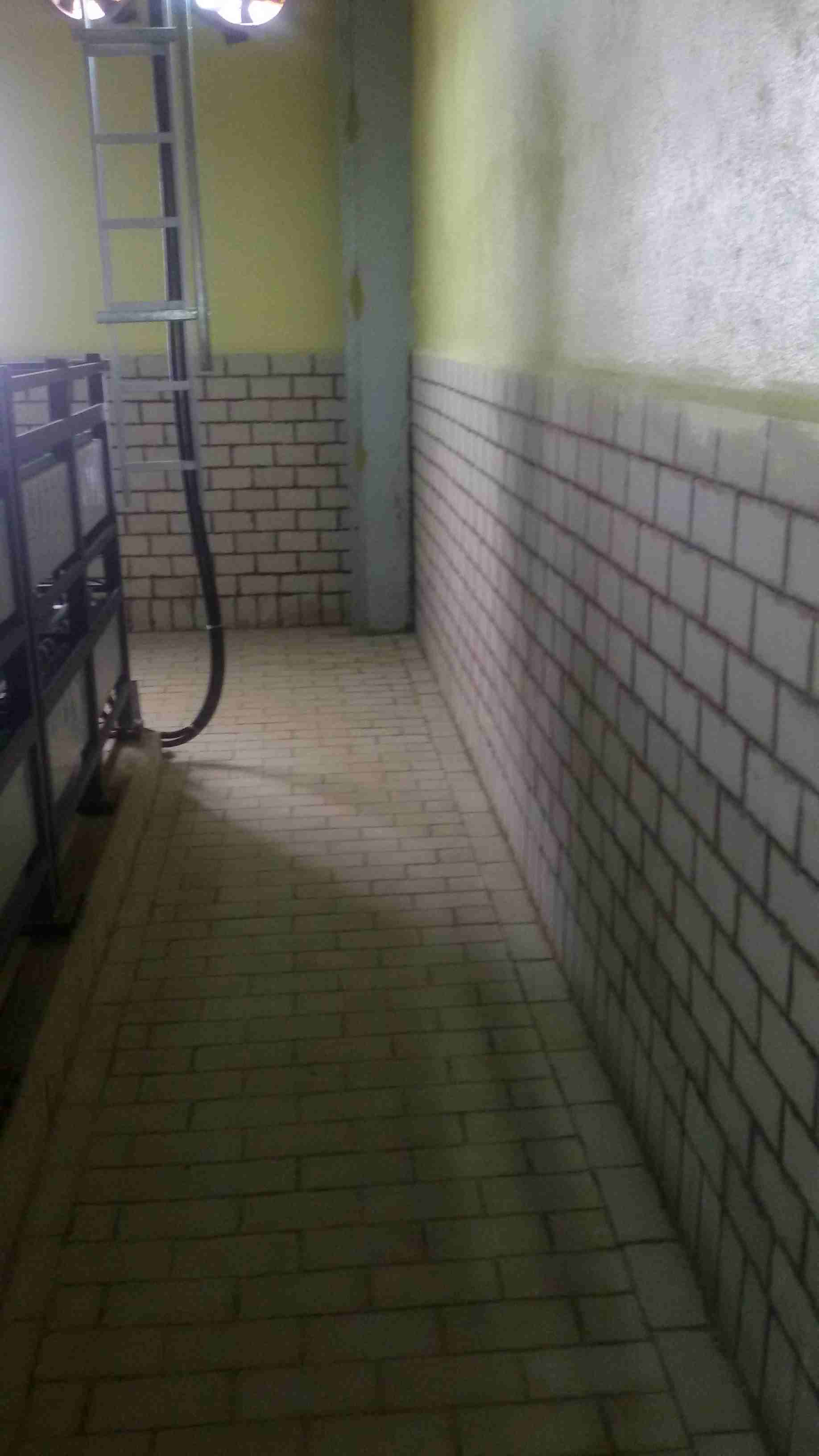
The substation cable trench area is a designated underground or surface-level pathway used to route and protect electrical cables between equipment, control rooms, and external connections. It ensures organized cable management, physical protection, and ease of maintenance.
Function
Cable trenches serve as structured conduits for power, control, instrumentation, and communication cables. They protect cables from mechanical damage, environmental exposure, and interference while maintaining separation between different voltage levels and signal types.
Typical Locations
•Between switchyard equipment and control rooms
•From transformers to switchgear panels
•Along perimeter fencing for external connections
•Beneath cable galleries and control buildings
•Connecting outdoor equipment like isolators, CTs, PTs, and breakers
Design Features
•Dimensions: Typically 300–600 mm wide and 600–1200 mm deep, depending on cable volume and voltage class
•Construction: Made of reinforced concrete with removable precast covers or steel grates for access
•Cable Separation: Includes partitions or ducts to segregate LV, MV, HV, and control cables
•Drainage: Sloped base or embedded drain pipes to prevent water accumulation
•Ventilation: Optional vents or open covers for heat dissipation in high-load areas
•Access Points: Junction boxes, manholes, or handholes for inspection and cable pulling
Installation Guidelines
•Follow soil classification and trench support requirements based on site conditions (e.g., sandy vs. clay soil)
•Use bedding materials like sand or gravel to cushion cables and prevent abrasion
•Maintain minimum spacing between cables as per IEC or IEEE standards
•Ensure proper backfilling and compaction to avoid trench collapse
•Label cable routes and install warning markers for safety and maintenance
Applicable Standards
•IEC 60364 – Electrical installations in buildings
•IEC 61537 – Cable management systems
•IEEE 525 – Guide for cable installation in substations
•NEMA VE 2 – Cable tray installation practices
•Local utility trench construction standards
Image ID: #3
Cable Trench Area
Detailed view of a concrete cable trench area prepared for underground power distribution, featuring structured routing paths for high-voltage and control cables.
Technical Highlights
Project Location
Substation Yard
Material / Finish
Reinforced Concrete (RCC)
Key Features
Integrated drainage system
Heavy-duty load bearing covers
Separated power and control/instrumentation paths
Need this engineering solution?
Contact our team for technical details or installation quotes related to this component.