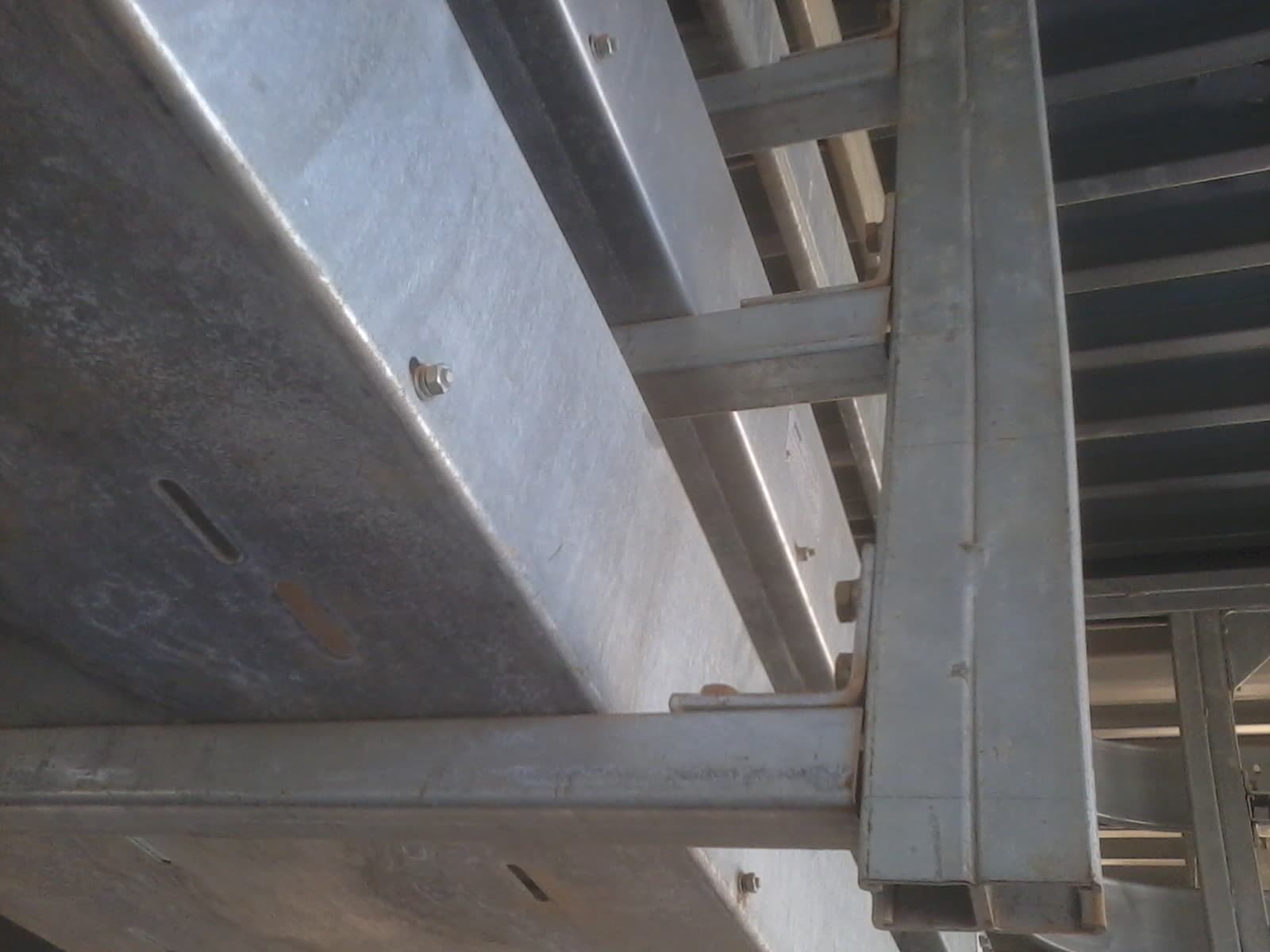
A substation cable rack holder is a structural support system used to organize, secure, and route power and control cables within a substation. It ensures safety, accessibility, and protection of cables from mechanical damage and environmental exposure.
Purpose of Cable Rack Holders in Substations
•Cable organization: Keeps high-voltage, low-voltage, and control cables neatly separated and routed
•Mechanical protection: Prevents sagging, abrasion, and accidental contact with sharp or hot surfaces
•Ease of maintenance: Facilitates inspection, testing, and replacement of cables
•Electrical segregation: Maintains safe distances between power, control, and communication cables to reduce interference and fault risks
•Compliance with standards: Supports adherence to IEEE 525 and other substation cable routing guidelines
Common Types
| Type | Description | Use Case |
|------|-------------|----------|
| Wall-mounted racks | Fixed to walls or structures | Indoor substations or control rooms |
| Floor-mounted trays | Standalone or anchored to concrete | Outdoor substations or cable trenches |
| Ladder-type trays | Open-frame design for ventilation | Power cables with high heat dissipation |
| Perforated trays | Solid base with holes for airflow | Control and signal cables |
| Vertical risers | Support vertical cable runs | Between levels or equipment tiers |
Installation Best Practices
•Use corrosion-resistant materials like galvanized steel or aluminum
•Label cable paths clearly for identification and maintenance
•Maintain bend radius and avoid sharp turns to protect cable integrity
•Separate voltage classes and signal types to prevent interference
•Anchor securely to withstand seismic or mechanical stress
Image ID: #17
Cable Rack Holder
Sturdy cable rack holder installation designed to support heavy cable loads and maintain organized separation in vertical or horizontal runs.
Need this engineering solution?
Contact our team for technical details or installation quotes related to this component.